No products in the cart.

Sale
You may be interested in…
Sale
Air purifying plant, Indoor plant, PLANT BY LOACATION, PLANTS BY TYPE, SHOW PLANT, TOP PLANTS, PLANTS
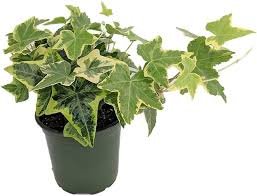
Buy English Ivy
Original price was: ₹375.00.₹230.25Current price is: ₹230.25. Add to cart
 Areca Plam
 Original price was: ₹188.75.₹142.75Current price is: ₹142.75.
You may be interested in…
Sale
Air purifying plant, Indoor plant, PLANT BY LOACATION, PLANTS BY TYPE, SHOW PLANT, TOP PLANTS, PLANTS
Buy English Ivy
Original price was: ₹375.00.₹230.25Current price is: ₹230.25. Add to cart


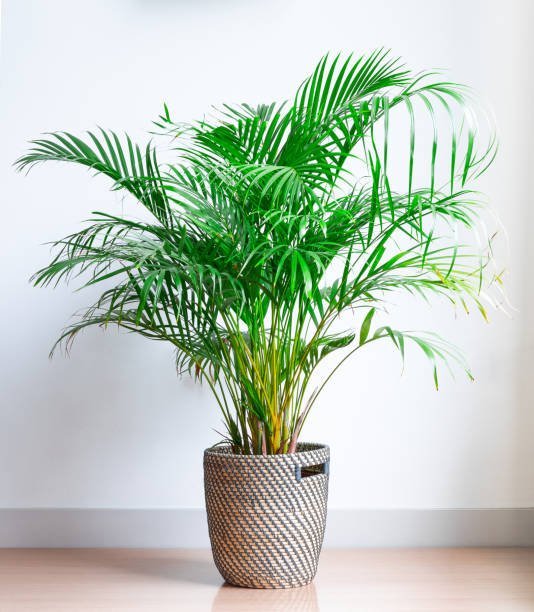
Areca pam, also known as betel nut palm, is a species of palm native to the tropical regions of Asia and parts of the Pacific Islands. The plant produces edible nuts often chewed for their stimulant effects.
Areca palm, also known as Dypsis lutescens or butterfly palm, is a popular tropical plant often grown indoors for its attractive appearance and air-purifying qualities. Here are some details about Areca palm and commonly asked questions:
Description:
- Areca palm is native to Madagascar and typically grows in clusters with multiple stems.
- It features long, graceful fronds that arch from a central point, giving it a feather-like appearance.
- The fronds are usually green with a slight yellow or golden hue, adding to its ornamental appeal.
- It can reach heights of 6 to 12 feet indoors, depending on growing conditions and care.
Care Tips:
- Light: Areca palm thrives in bright, indirect light. Direct sunlight can scorch its leaves.
- Watering: Keep the soil consistently moist but not waterlogged. Water when the top inch of soil feels dry.
- Humidity: It prefers humid environments. Regular misting or placing a humidifier nearby can help.
- Temperature: Areca palm prefers temperatures between 65°F to 75°F (18°C to 24°C) and doesn’t tolerate cold drafts.
- Soil: Well-draining potting mix is ideal. A mixture of peat moss, perlite, and sand works well.
- Fertilization: Feed with a balanced, water-soluble fertilizer during the growing season (spring and summer).
Common FAQs:
- Why are the tips of my Areca palm turning brown?
- Browning tips could indicate underwatering, low humidity, or too much direct sunlight. Ensure proper watering and humidity levels, and place it in a location with bright, indirect light.
- How often should I repot my Areca palm?
- Repotting is typically necessary every 2-3 years or when the plant outgrows its container. Choose a pot only slightly larger than the current one to prevent overpotting.
- Why are the leaves of my Areca palm turning yellow?
- Yellowing leaves can be a sign of overwatering, insufficient light, or nutrient deficiencies. Adjust watering frequency, ensure proper lighting, and consider fertilizing if necessary.
- Can Areca palm purify indoor air?
- Yes, Areca palm is known for its air-purifying qualities. It can help remove toxins such as formaldehyde, xylene, and toluene from the air, making it a beneficial addition to indoor spaces.
- Is Areca palm safe for pets?
- While Areca palm is not considered toxic to pets, ingesting large quantities of its leaves can cause mild gastrointestinal upset. It’s still best to keep it out of reach of curious pets.
Related products
Sale
9 in stock
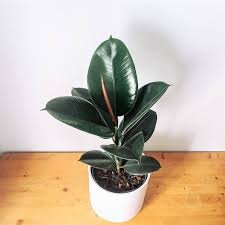
Rubber Plant: Ficus Elastica
Price range: ₹199.00 through ₹499.00 Select options This product has multiple variants. The options may be chosen on the product pageSale
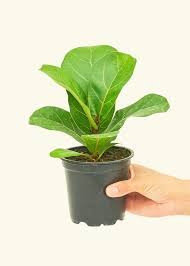
Air purifying plant, GIFT PLANTS, Indoor plant, PLANT BY LOACATION, PLANTS BY TYPE, SHOW PLANT, PLANTS
Fiddle Leaf Fig Plant
Original price was: ₹500.00.₹304.00Current price is: ₹304.00. Add to cartSale
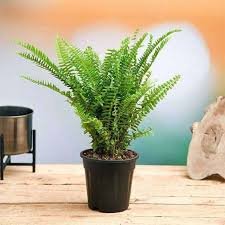
Air purifying plant, GIFT PLANTS, Indoor plant, PANTS BY FEATURE, PLANT BY LOACATION, PLANTS BY TYPE, SHOW PLANT, TOP PLANTS, PLANTS
Boston Fern
Original price was: ₹375.00.₹241.50Current price is: ₹241.50. Add to cartSale
Air purifying plant, Indoor plant, PLANT BY LOACATION, PLANTS BY TYPE, SHOW PLANT, TOP PLANTS, PLANTS
Reviews
There are no reviews yet.